Simple Daily Food Habits That Support Long-Term Wellness
Healthy eating habits are often built gradually through small, consistent choices. Instead of focusing on dramatic dietary changes, many nutrition experts emphasize practical habits that can fit into everyday life. Over time, these habits can contribute to a balanced approach to food and lifestyle.
One helpful habit is maintaining a regular eating pattern. Some people find that eating meals at consistent times throughout the day helps them stay organized around food choices. While schedules vary from person to person, planning meals in advance can reduce the likelihood of skipping meals or relying entirely on convenience foods.
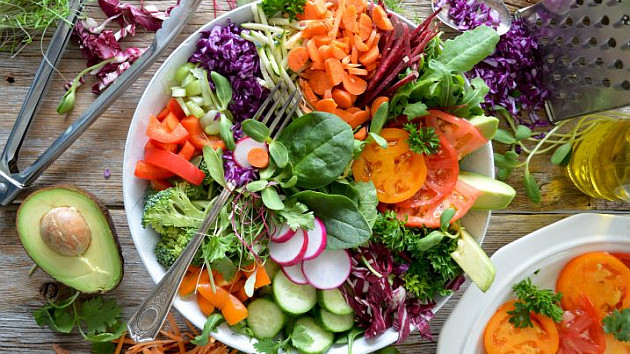
Another practical habit is including a variety of foods across the week. Variety can make meals more enjoyable and can help individuals explore different flavors and ingredients. Rotating vegetables, grains, and protein sources allows meals to remain interesting while also encouraging balanced eating patterns.
Hydration is another aspect of daily nutrition habits. Water is an essential part of everyday life, and many people choose to keep a reusable water bottle nearby as a reminder to drink fluids regularly. Other beverages such as herbal teas or milk can also be part of a balanced hydration routine.
Mindful eating is a habit that focuses on paying attention to the eating experience. This may include slowing down during meals, noticing flavors and textures, and recognizing hunger and fullness cues. Eating without distractions when possible can help people become more aware of their eating habits.
Planning meals or snacks ahead of time is another strategy that some people find helpful. Preparing simple ingredients in advance can make it easier to assemble meals quickly during busy days. For example, washing fruits, chopping vegetables, or cooking grains ahead of time can simplify meal preparation later.
Balanced snacking can also fit into many daily routines. Snacks such as fruit with yogurt, whole-grain crackers with hummus, or nuts with dried fruit are examples of combinations that include multiple food groups. These types of snacks may provide both flavor and variety between meals.
It is also helpful to remember that healthy eating habits should remain flexible. Social events, travel, and celebrations are normal parts of life, and food often plays an important cultural and social role. Allowing room for enjoyment and balance can make healthy habits easier to maintain over time.
Consistency is often more important than perfection. Small choices—like adding vegetables to a meal, drinking enough fluids, or preparing meals at home when possible—can gradually become part of a comfortable routine.
In the long term, practical eating habits are about creating a sustainable relationship with food. By focusing on everyday actions rather than strict rules, people can develop routines that support both enjoyment and overall well-being.